
You are ready to make money from your blog, and now you face the classic beginner fork in the road: AdSense or affiliate marketing? Forums are full of people picking a side passionately, which makes it feel like you have to choose one and commit forever. You do not, and understanding why is more useful than picking a winner.
This guide compares both honestly, on the things that actually matter for a beginner: how hard each is to start, how much traffic each really needs, and how they actually earn money differently. If you have not looked at AdSense itself yet, our guides on registering for AdSense and realistic AdSense earnings cover that side in depth.
What Each One Actually Is, Quickly
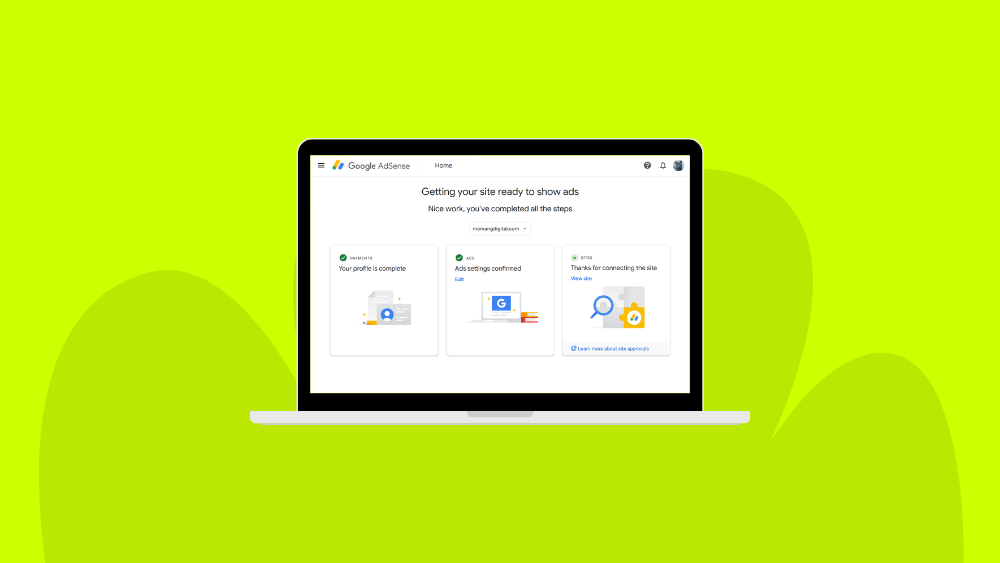
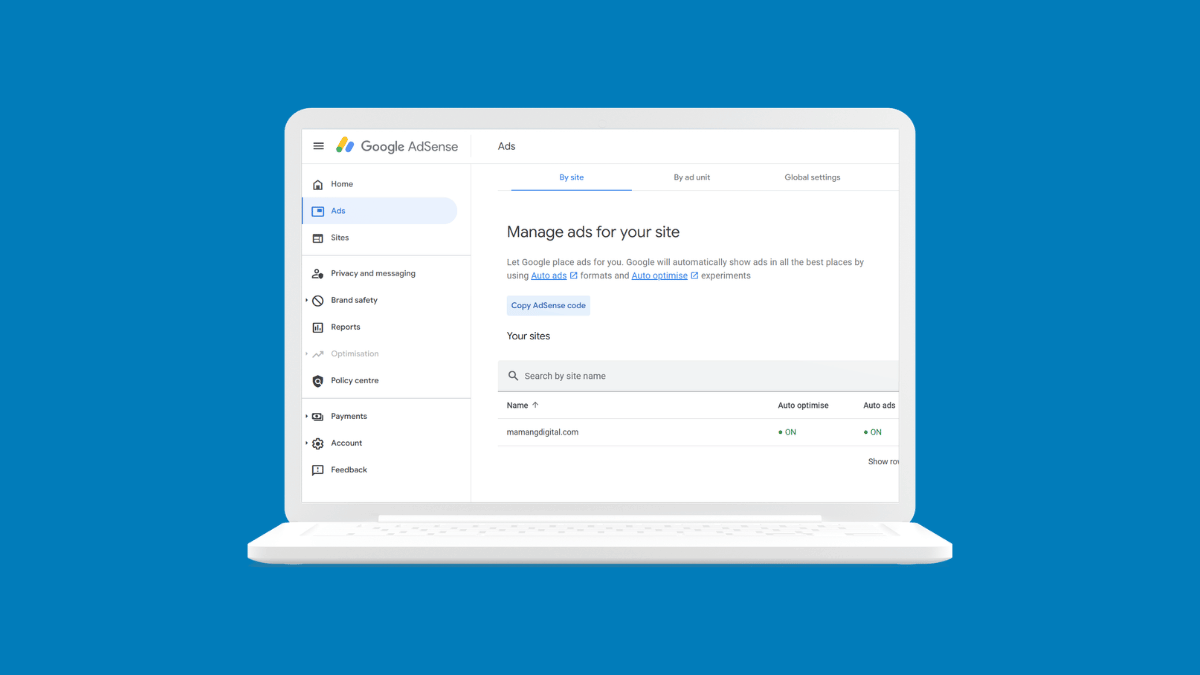
AdSense pays you when visitors view or click ads that Google automatically places and chooses for you. You do not pick the advertisers or negotiate anything, you simply add the ads and Google’s system does the rest.
Affiliate marketing pays you a commission when someone buys a product or service through a special tracking link you place in your content. You choose what to promote, usually something genuinely related to what you write about, and you only earn when that specific action happens, typically a sale.
The core difference in one sentence: AdSense pays for attention, affiliate marketing pays for action. That single difference explains almost everything else about how they compare.
Which Is Easier to Start
AdSense wins clearly here. Once you are approved, you add the ad code and you are done. There is no product to research, no program to choose, and nothing to weave into your writing. It works quietly in the background of whatever you already publish.
Affiliate marketing takes more upfront thought. You need to find programs relevant to your niche, understand their terms, and then genuinely fit recommendations into your content in a way that feels helpful rather than forced. None of this is difficult exactly, but it is real extra work that AdSense simply does not ask for.
How Much Traffic Each One Actually Needs
This is where the honest picture gets more interesting than “just pick one.” AdSense income scales fairly directly with page views: more visitors means more ad impressions means more income, in a fairly predictable line. The catch is that meaningful AdSense income usually needs meaningful traffic, since each individual view is worth a small amount.
Affiliate marketing does not scale the same way, and that can work in your favor as a smaller site. A single relevant recommendation read by a modest, genuinely interested audience can convert into a sale, and that one sale can be worth far more than an entire month of ad impressions from the same traffic. This is why a small, focused blog in a niche like software, finance, or specialized equipment can sometimes out-earn a much bigger general blog running only ads. The trade-off is that affiliate income is less predictable: some months a relevant recommendation converts well, other months it does not, whereas AdSense’s small, steady trickle rarely swings as wildly.
A Simple Way to See the Difference
Imagine two versions of the same blog post, both read by the same thousand visitors. The version with AdSense earns a small amount from ad views and the occasional click, spread evenly across all those readers. The version with one well-placed, genuinely relevant affiliate link earns nothing from most of those readers, but if even a small handful decide to buy the recommended product, those few purchases alone can add up to more than the ad version earned from the entire thousand.
Neither number is fixed, since it depends completely on your niche, your audience’s buying intent, and what you are promoting. But this is the shape of the trade-off: AdSense spreads a small reward across everyone, affiliate marketing concentrates a larger reward on the few who act, and which one wins depends on how likely your specific readers are to buy something in the moment they are reading your content.
Which Fits Your Content Better
The right choice often depends less on preference and more on what you actually write about. Content with clear buying intent, product reviews, comparisons, “best X for Y” guides, or how-to content around a specific tool, naturally fits affiliate links, since readers are already close to a purchase decision. Content that is more general, informational, or entertainment-focused, where readers are not in a shopping mindset, tends to lean more naturally on AdSense, since there is no obvious single product to recommend.
Look honestly at what you already write. If a good share of your posts naturally mention or compare specific products, tools, or services, affiliate marketing has real room to work well. If most of your writing is general advice, opinion, or broad how-to content, AdSense is likely the more natural fit for the majority of it, without forcing product mentions that do not belong.
The Honest Answer: Most Bloggers End Up Using Both
If you were hoping for a clean winner, here is the honest reality: the two are not mutually exclusive, and most established bloggers eventually run both at once. AdSense provides a steady, low-effort baseline across everything you publish. Affiliate links get added specifically to the posts where a genuine product recommendation fits naturally.
This combined approach is more resilient too. If affiliate sales are quiet one month, AdSense still brings in something. If your traffic is too small yet for AdSense to feel meaningful, a single well-matched affiliate recommendation can still pay off. Treating them as rivals to choose between misses the point; treating them as two tools for different situations is closer to how income actually builds.
How to Start Without Overcomplicating It
For a beginner, the simplest sensible path is this: set up AdSense across your site as your baseline, since it requires no ongoing decisions once it is running. Then, as you write, keep an eye out for posts where recommending a specific real product would genuinely help the reader, and add a relevant affiliate link only there, never forcing it where it does not belong.
Resist chasing every affiliate program available at once, since a few well-chosen, genuinely relevant programs beat a scattered pile of unrelated ones. Let your content and your honest recommendations lead, and let the income model follow from that, rather than distorting what you write to fit a monetization plan. Readers can tell the difference, and so, over time, can your income.
Frequently Asked Questions
Should a beginner start with AdSense or affiliate marketing?
Most beginners can start with both. AdSense requires no extra work once set up and provides a steady baseline. Affiliate links are worth adding wherever a genuine product recommendation naturally fits your content. Neither has to be chosen exclusively over the other.
Does affiliate marketing really pay more than AdSense?
It can, especially in niches with clear buying intent like software, finance, or specialized products, where a single sale can outearn a large amount of ad impressions. But affiliate income is less predictable than AdSense’s steady, smaller trickle, so results vary far more month to month.
Do I need a lot of traffic for affiliate marketing to work?
Less than AdSense, generally. Because affiliate income depends on a smaller number of people taking a specific action rather than everyone contributing a tiny amount, a focused, smaller audience with genuine buying interest can still generate meaningful affiliate income, even without massive traffic.
Can I use AdSense and affiliate links on the same post?
Yes, many bloggers do exactly this. Just keep the balance sensible: too many ads alongside heavy affiliate promotion can clutter the page and hurt the reading experience, which ultimately costs you both types of income. Let genuinely useful content lead, with both monetization methods added where they fit naturally.
What kind of content works best for affiliate marketing?
Content with clear buying intent works best: product reviews, comparisons, and how-to guides built around a specific tool or service. Readers already close to a purchase decision are far more likely to click and buy than readers reading purely general or entertainment content.